

Embracing Green Innovation in Orthodontic Care
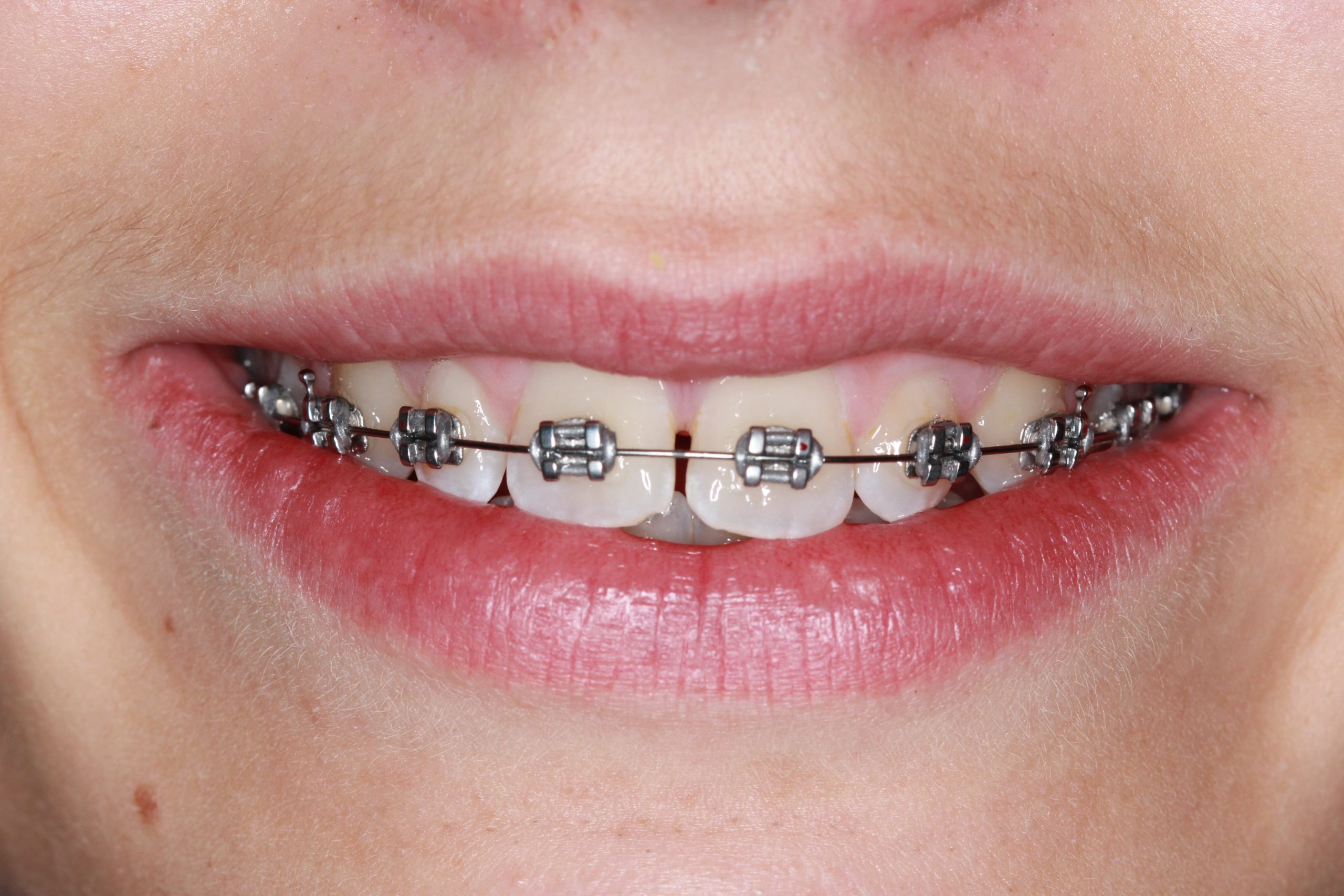
The orthodontic industry is experiencing a remarkable transformation as environmental consciousness takes centre stage in dental practices across the United Kingdom. Modern orthodontic treatments are evolving beyond traditional methods, incorporating sustainable materials and eco-friendly practices that benefit both patients and the planet. This shift towards greener orthodontics represents a significant milestone in healthcare sustainability, demonstrating how medical professionals can reduce their environmental footprint whilst delivering exceptional patient care and treatments like braces Stoke-on-Trent.
Contemporary orthodontic practices are recognising that environmental responsibility and clinical excellence can coexist harmoniously. The integration of sustainable practices in orthodontic care reflects a broader movement within healthcare to minimise waste, reduce carbon emissions, and utilise environmentally conscious materials. This approach particularly resonates with environmentally aware patients who seek healthcare providers that align with their values whilst maintaining the highest standards of treatment quality.
Revolutionary Materials Transforming Orthodontic Treatment
The development of sustainable orthodontic materials represents one of the most significant advances in modern dental care. Traditional metal braces, whilst effective, often require energy-intensive manufacturing processes and generate considerable waste during production. However, innovative materials are emerging that address these environmental concerns without compromising treatment efficacy. Research into biodegradable orthodontic materials demonstrates promising developments in sustainable bracket systems and wire technologies.
Ceramic brackets manufactured from recycled materials are gaining popularity amongst orthodontists seeking environmentally responsible alternatives. These brackets maintain the aesthetic appeal that patients desire whilst significantly reducing the environmental impact associated with traditional manufacturing processes. Additionally, manufacturers are developing bio-based polymers for clear aligners, creating treatment options that decompose naturally without leaving harmful residues in the environment.
Digital Innovation Reducing Environmental Impact
Advanced Scanning Technology
Digital impression systems have revolutionised orthodontic practices by eliminating the need for traditional alginate impressions, which generate substantial waste and require energy-intensive processing. These advanced scanning technologies create precise digital models of patients’ teeth, reducing material consumption and improving treatment accuracy. The implementation of digital workflows significantly decreases the environmental footprint of orthodontic practices whilst enhancing patient comfort and treatment outcomes.
Computer-Aided Treatment Planning
Sophisticated software applications enable orthodontists to plan treatments with unprecedented precision, reducing the likelihood of treatment modifications and minimising waste generation. These digital tools allow practitioners, including those offering braces, to optimise treatment protocols from the outset, ensuring efficient resource utilisation and improved patient satisfaction.
Waste Reduction Strategies in Modern Orthodontic Practices
Progressive orthodontic practices are implementing comprehensive waste reduction programmes that encompass every aspect of patient care. These initiatives include transitioning to reusable sterilisation containers, implementing digital record-keeping systems, and establishing robust recycling programmes for orthodontic materials. Many practices have adopted paperless systems for patient communication, appointment scheduling, and treatment documentation, significantly reducing their paper consumption and storage requirements.
The adoption of autoclavable instruments and reusable components represents another significant advancement in sustainable orthodontic care. Rather than relying on single-use disposable items, modern practices invest in high-quality instruments designed for repeated sterilisation and long-term use. This approach not only reduces waste generation but also proves economically beneficial over time, demonstrating that environmental responsibility and financial prudence can complement each other effectively.
Energy Efficiency and Green Practice Management
Contemporary orthodontic practices are embracing energy-efficient technologies and sustainable building practices to minimise their environmental impact. LED lighting systems, energy-efficient equipment, and smart climate control systems contribute to reduced energy consumption whilst maintaining optimal working conditions. Some progressive practices have installed solar panels and implemented renewable energy systems, achieving carbon neutrality in their operations.
Water conservation measures play a crucial role in sustainable orthodontic practices. Modern dental units incorporate water-saving technologies and recycling systems that significantly reduce water consumption during treatments. The environmental impact of orthodontic materials extends beyond manufacturing to include water usage during treatment procedures, making conservation efforts particularly important for environmentally conscious practices.
Patient Education and Community Engagement
Successful sustainable orthodontic practices actively engage patients in environmental initiatives through education and awareness programmes. These efforts include providing information about eco-friendly oral care products, proper disposal methods for orthodontic appliances, and the environmental benefits of choosing sustainable treatment options. Many practices offering braces in Stoke-on-Trent and throughout the UK are discovering that patients appreciate transparency about environmental practices and often prefer providers who demonstrate genuine commitment to sustainability.
The Future of Sustainable Orthodontic Care
The trajectory towards sustainable orthodontic care continues to accelerate as new technologies and materials emerge. Eco-friendly orthodontic practices are expected to incorporate even more advanced sustainable technologies, including biodegradable aligners and carbon-neutral manufacturing processes. The integration of artificial intelligence and machine learning will further optimise treatment efficiency, reducing waste and improving outcomes. As environmental awareness grows amongst both practitioners and patients, sustainable orthodontic care will undoubtedly become the standard rather than the exception, ensuring that beautiful smiles and environmental responsibility go hand in hand for future generations seeking braces in Stoke-on-Trent and beyond.