

Introduction
The evolution of dental implant technology has undergone a remarkable transformation, with patient-centric design emerging as a cornerstone of modern dental innovation. This approach to dental implants Bristol and beyond represents a significant shift from traditional methodologies, placing patient comfort and satisfaction at the forefront of treatment planning.
Understanding Patient-Centric Design
Patient-centric design in dental implantology encompasses a comprehensive approach that considers not only the functional aspects of tooth replacement but also the individual needs and preferences of each patient. This philosophy, as outlined in contemporary healthcare design principles, emphasises the importance of tailoring treatment plans to suit specific patient requirements.
Key Elements of Patient-Centric Implant Design
- Customised treatment planning based on individual anatomy
- Consideration of patient lifestyle and expectations
- Integration of advanced imaging technologies
- Focus on long-term comfort and functionality
Technological Advancements in Implant Design
Modern dental implant solutions have benefited significantly from technological innovation. Recent developments in dental implant research and innovation have led to more precise and patient-friendly solutions. These advancements include improved surface technologies, better integration capabilities, and more accurate placement techniques.
Impact of Digital Planning
Digital planning has revolutionised the way dental implants are designed and placed. According to recent studies on digital implant planning effectiveness, this technology has significantly improved treatment outcomes and patient satisfaction. The integration of 3D imaging and computer-aided design allows practitioners to create highly accurate surgical guides and customised implant solutions.
The Role of Patient Feedback
Understanding patient experiences and incorporating their feedback has been crucial in advancing dental implant design. This collaborative approach ensures that dental implants not only meet clinical requirements but also address the practical concerns and comfort needs of patients. The development of modern dental implants Bristol practices continues to evolve based on this valuable input, creating more refined and patient-friendly solutions.
Integration of Comfort Features
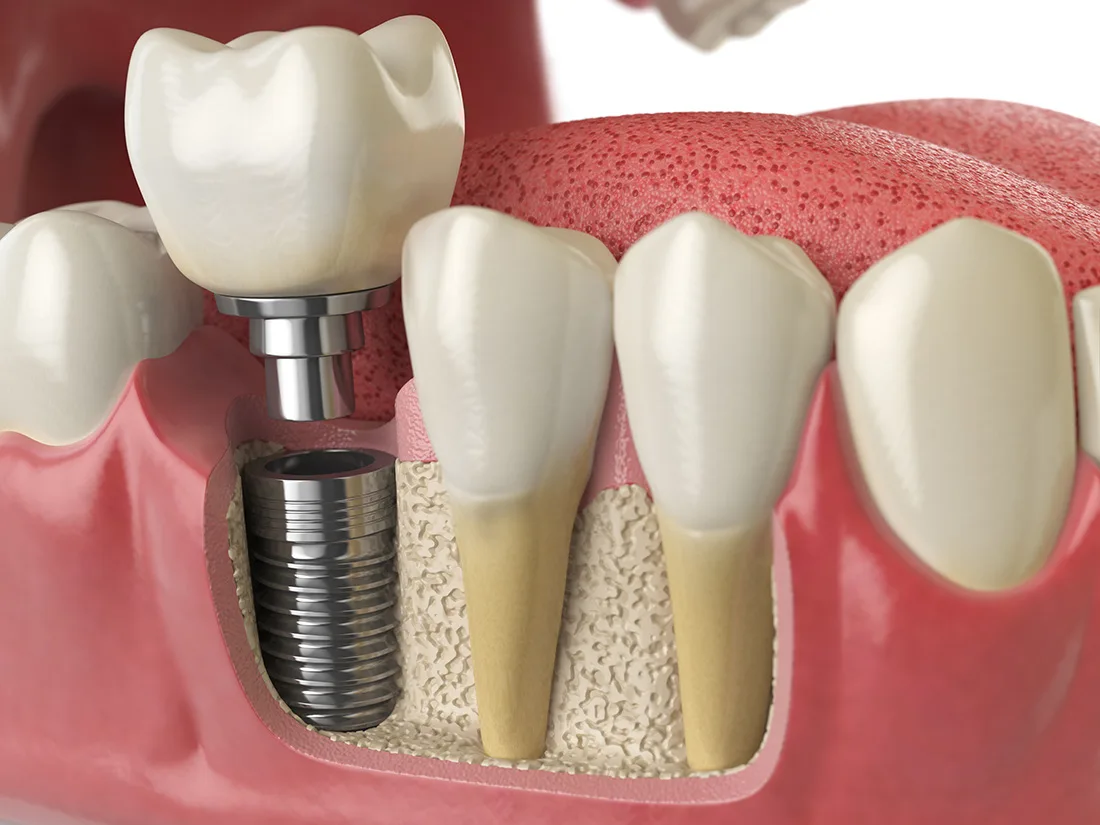
Modern implant designs incorporate numerous comfort-enhancing features that significantly improve the patient experience. These innovations include refined thread patterns that distribute forces more evenly throughout the jaw, and surface treatments that promote faster osseointegration. Such developments have revolutionised the way dental implants Bristol practitioners approach treatment planning and execution.
Materials and Biocompatibility
The selection of materials used in dental implants has evolved considerably, with a focus on biocompatibility and long-term stability. Contemporary implants typically utilise medical-grade titanium or zirconia, materials chosen for their exceptional ability to integrate with natural bone tissue whilst maintaining optimal aesthetic results.
Personalisation in Treatment Planning
Every patient presents unique challenges and requirements, making personalisation crucial in implant dentistry. Factors considered include:
- Bone density and quality
- Gum tissue characteristics
- Bite force and occlusal patterns
- Aesthetic expectations
- Lifestyle considerations
The Recovery Experience
Patient-centric design extends beyond the implant itself to encompass the entire treatment journey. Modern protocols focus on minimising recovery time and post-operative discomfort through precise surgical techniques and carefully planned treatment sequences. This approach has significantly improved patient satisfaction rates and treatment outcomes.
Future Developments
The field of dental implantology continues to evolve, with emerging technologies promising even more sophisticated patient-centric solutions. Innovations in areas such as surface technology, biomaterials, and digital workflow integration are expected to further enhance the patient experience and treatment predictability.
Conclusion
The art of patient-centric design in dental implants represents a significant advancement in modern dentistry. By combining technological innovation with a deep understanding of patient needs, practitioners can now offer solutions that not only restore function but also enhance quality of life. This approach continues to shape the future of dental implant treatment, ensuring that patients receive care that is both technically excellent and personally tailored to their needs.