

Introduction
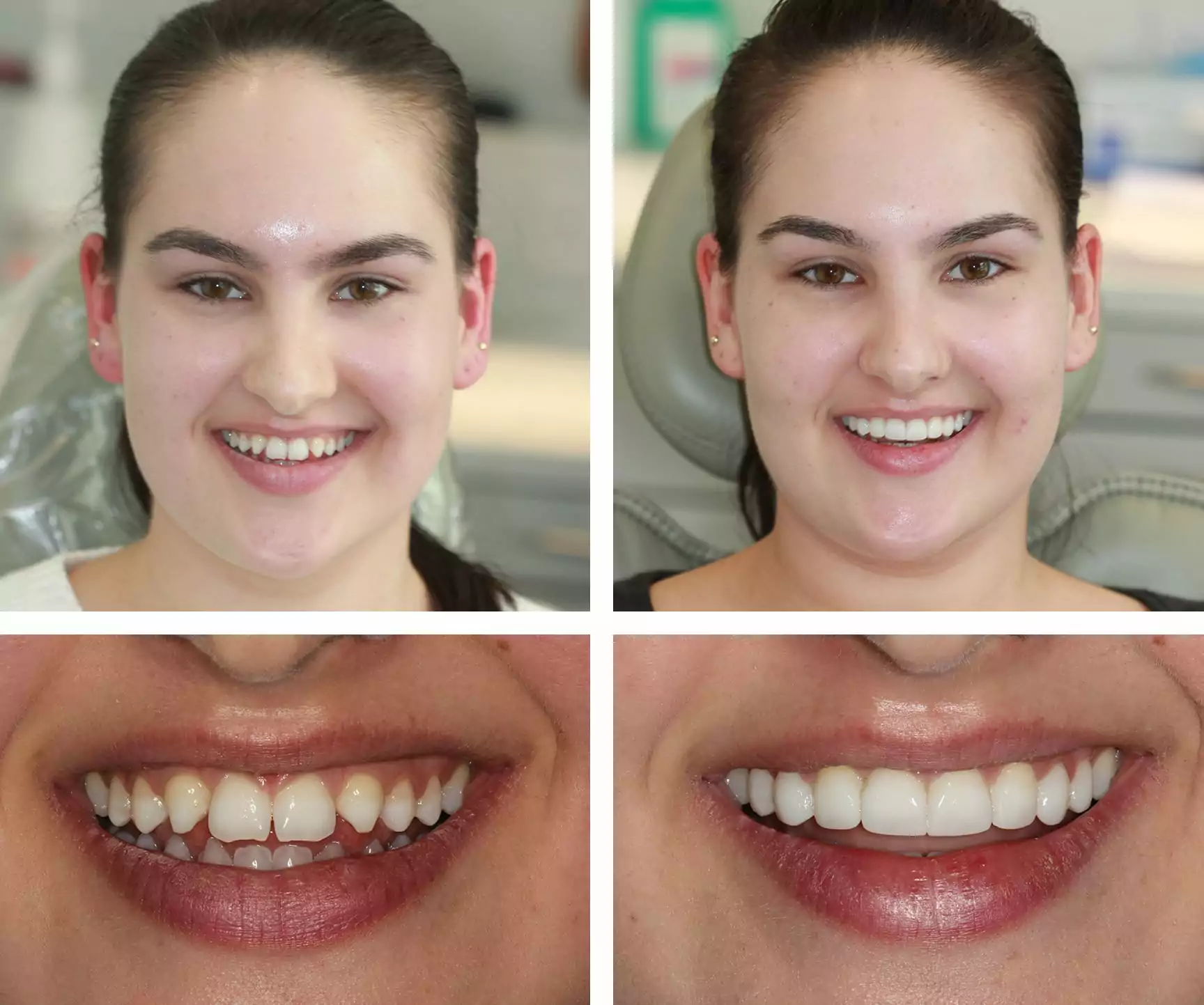
In the realm of cosmetic dentistry, the ability to recreate natural tooth aesthetics has become increasingly sophisticated. One of the most remarkable advancements in this field is composite bonding, a technique that has revolutionised the way dental professionals approach smile enhancement. For those seeking composite bonding London, you can expect state-of-the-art solutions that combine artistry with scientific precision.
Understanding Composite Bonding Techniques
Composite bonding London is a meticulous process that involves the careful application of tooth-coloured resin material to enhance or restore teeth. According to recent clinical studies in restorative dentistry, the success of composite bonding lies not only in colour matching but also in the faithful reproduction of natural tooth texture.
The Science of Surface Texture
Natural teeth possess unique surface characteristics that contribute to their optical properties and overall appearance. These include:
- Horizontal growth lines (perikymata)
- Vertical developmental grooves
- Surface undulations
- Micro-texture patterns
Mimicking Natural Characteristics
The art of recreating natural tooth surface patterns requires a deep understanding of dental anatomy and light interaction. Dental professionals must carefully consider how different texturing techniques affect the way light reflects off the tooth surface, ultimately influencing the natural appearance of the restoration.
The Technical Process
The application of composite bonding involves several critical steps that contribute to achieving a natural-looking result:
- Surface preparation and cleaning
- Careful selection of composite shade
- Strategic layering of materials
- Creation of primary anatomy
- Development of surface texture
Modern composite bonding techniques have evolved to incorporate advanced understanding of how natural teeth interact with light. This knowledge has led to the development of sophisticated methods for creating authentic-looking dental restorations that seamlessly blend with surrounding teeth.
Achieving Natural Light Reflection
The success of composite bonding largely depends on how well the restored surface mimics the way natural teeth reflect and absorb light. Understanding the principles of dental aesthetics and light interaction enables practitioners to create restorations that appear completely natural in various lighting conditions.
Tools and Techniques
Professional dental artists employ a variety of specialised instruments to create authentic surface textures, including:
- Diamond-coated finishing burs
- Polishing discs of varying grits
- Silicone points and cups
- Specialised brushes and instruments
The Role of Experience and Artistic Vision
While the technical aspects of composite bonding are crucial, the artistic element cannot be overlooked. Skilled practitioners of composite bonding London combine their technical expertise with an artistic eye to create results that are both functionally sound and aesthetically pleasing. This balance of science and art ensures that each restoration is uniquely tailored to complement the patient’s natural dental features.
Maintaining Natural Aesthetics
The longevity of composite bonding results depends significantly on proper maintenance and care. Patients who undergo this treatment are advised to:
- Maintain excellent oral hygiene
- Avoid excessive consumption of staining substances
- Attend regular dental check-ups
- Use appropriate cleaning tools and techniques
Conclusion
The art of mimicking natural teeth texture through composite bonding represents a significant advancement in cosmetic dentistry. This sophisticated procedure requires a delicate balance of technical skill, artistic vision, and deep understanding of dental aesthetics. As techniques continue to evolve, composite bonding remains at the forefront of minimally invasive cosmetic dental procedures, offering patients the opportunity to achieve natural-looking, beautiful smiles.
The success of composite bonding lies not just in the materials used, but in the practitioner’s ability to recreate the subtle nuances that make natural teeth unique. When performed with attention to detail and artistic precision, composite bonding can provide results that are virtually indistinguishable from natural teeth, making it an excellent choice for those seeking to enhance their smile.