

The Evolution of Dental Practice Beyond Traditional Boundaries
The landscape of modern dentistry has undergone a remarkable transformation, extending far beyond the conventional realm of fillings, crowns, and routine cleanings. Today’s dental practitioners are increasingly embracing innovative treatments that address not merely tooth decay or gum disease, but the intricate relationship between oral health and overall facial harmony. Among these groundbreaking approaches, the integration of botulinum toxin (Botox Tunbridge Wells) injections has emerged as a particularly compelling development, offering patients comprehensive solutions that bridge the gap between dental health and aesthetic enhancement.
This evolution reflects a deeper understanding of the interconnected nature of oral and facial structures. The muscles of mastication, the temporomandibular joint, and the surrounding facial musculature all work in concert to create not only functional efficiency but also the subtle expressions that define individual character. When these systems fall out of balance, the consequences extend well beyond mere discomfort, potentially affecting everything from sleep quality to professional confidence.
Understanding Muscular Dysfunction in Dental Contexts
The human jaw represents one of the most complex mechanical systems in the body, capable of generating tremendous force whilst simultaneously performing delicate movements required for speech and mastication. However, this sophistication comes with vulnerability. Modern lifestyle factors, including increased stress levels, prolonged computer use, and dietary changes, have contributed to a rising prevalence of muscular dysfunction within the orofacial region.
Bruxism, or teeth grinding, exemplifies this challenge perfectly. This condition affects millions of individuals across the United Kingdom, often manifesting during sleep when conscious control over muscular activity diminishes. The consequences can be severe, ranging from worn tooth surfaces and fractured restorations to chronic headaches and jaw pain. Traditional approaches have typically focused on protective appliances, which whilst effective in preventing dental damage, do little to address the underlying muscular hyperactivity driving the condition.
The Therapeutic Potential of Targeted Muscle Relaxation
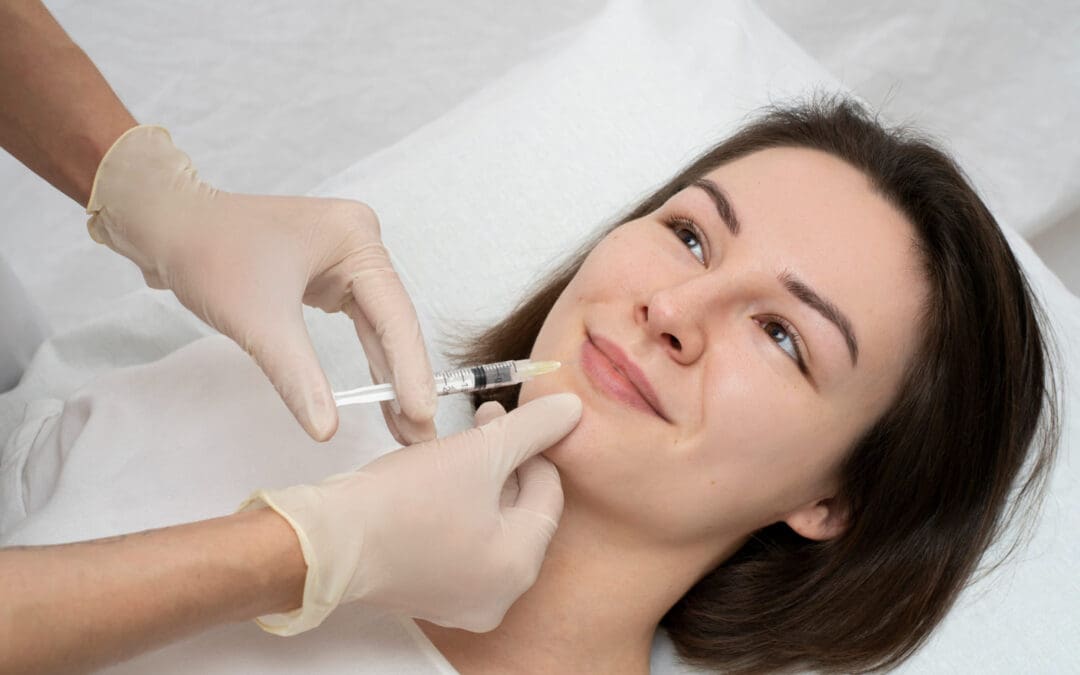
Enter the revolutionary application of botulinum toxin in dental practice. Therapeutic benefits of Botox in dental treatments have gained considerable recognition amongst forward-thinking practitioners who recognise the potential for addressing muscular dysfunction at its source. By strategically targeting overactive muscles responsible for grinding, clenching, and associated tension patterns, Botox treatments can provide relief that extends far beyond what traditional dental interventions alone might achieve.
The mechanism behind this therapeutic approach centres on the temporary reduction of muscular hyperactivity without compromising normal function. When administered by qualified dental professionals, botulinum toxin injections can significantly reduce the intensity of involuntary muscle contractions whilst preserving the patient’s ability to speak, eat, and express emotions naturally. This targeted intervention creates an environment where healing can occur, allowing inflamed tissues to recover and breaking the cycle of chronic tension that often perpetuates these conditions.
Clinical Applications and Patient Outcomes
The scope of dental applications for botulinum toxin extends well beyond bruxism management. Temporomandibular joint disorders, which affect a substantial portion of the adult population, often respond favourably to strategic muscle relaxation therapy. Patients experiencing clicking, popping, or locking of the jaw joint frequently find relief through treatments that address the muscular imbalances contributing to their discomfort.
Furthermore, the aesthetic benefits cannot be overlooked. The masseter muscles, when chronically overactive, can create an overly square jawline that some patients find aesthetically displeasing. Botox as an adjunct to comprehensive dental care can help refine facial contours whilst simultaneously addressing functional concerns, providing patients with both therapeutic and cosmetic improvements.
Integration with Comprehensive Dental Care
The most successful outcomes occur when botulinum toxin therapy forms part of a comprehensive treatment approach. Dental professionals who offer these services typically combine them with traditional interventions such as occlusal adjustments, physiotherapy referrals, and stress management counselling. This holistic methodology ensures that all contributing factors are addressed, maximising the likelihood of long-term success.
Patient education plays a crucial role in this process. Understanding Botox applications in modern dentistry helps individuals make informed decisions about their treatment options. Many patients are surprised to learn that their dental practitioner can offer solutions for concerns they may have previously considered purely medical or cosmetic in nature.
Looking Towards the Future of Integrated Dental Care
The integration of botulinum toxin therapy into dental practice represents a significant step forward in patient-centred care. By addressing the complex interplay between muscular function, oral health, and overall wellbeing, dental professionals can offer more comprehensive solutions than ever before. This approach acknowledges that true oral health extends beyond the teeth and gums, encompassing the entire orofacial complex in pursuit of optimal function and comfort for every patient.